Work
Capsule
A true 0-1 role as the first marketing hire at an early-stage startup selling to enterprises (LinkedIn, HubSpot, ServiceNow). I worked directly with the CEO and Head of Sales to define our ICP, positioning, and messaging, and build the pipeline and revenue that helped us get to our Series A.
Product marketing
Positioning
In a crowded and constantly changing market of AI video tools, I led a number of positioning updates, aligning stakeholders and using April Dunford's framework to clarify Capsule's place as an enterprise-grade system.
I then executed each update across multiple website refreshes and enablement materials for the rest of the team, so that prospects were hearing the right message across both marketing and sales.
Product launches
The product evolved significantly in my time at Capsule, and we launched 8 major product campaigns to reflect that. The goals for most of the campaigns were to stand out from competitors, highlight the product's quality and speed of innovation for enterprise use cases, and drive pipeline.
The launches drove both spikes and sustained increases in brand awareness, inbound demo requests, and pipeline, as well as millions of impressions.
Case studies
One of Capsule's greatest strengths is its roster of real, enterprise customers. So I helped bring that proof to life for our prospects by building this HubSpot case study campaign. I ran interviews with five of our key stakeholders there and edited all five videos to focus on distinct pain points.
The derivative assets from these now fuel our website, decks, and other marketing assets.
VIP dinner series
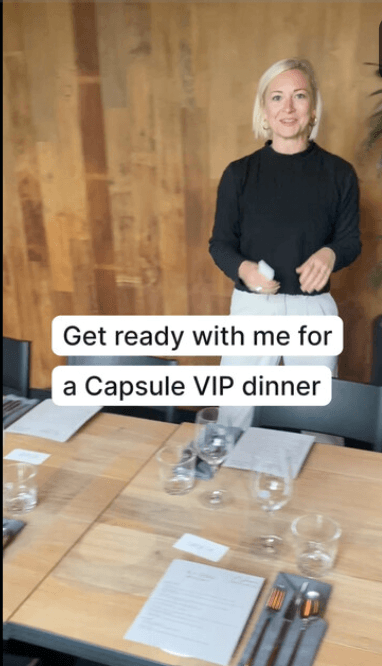
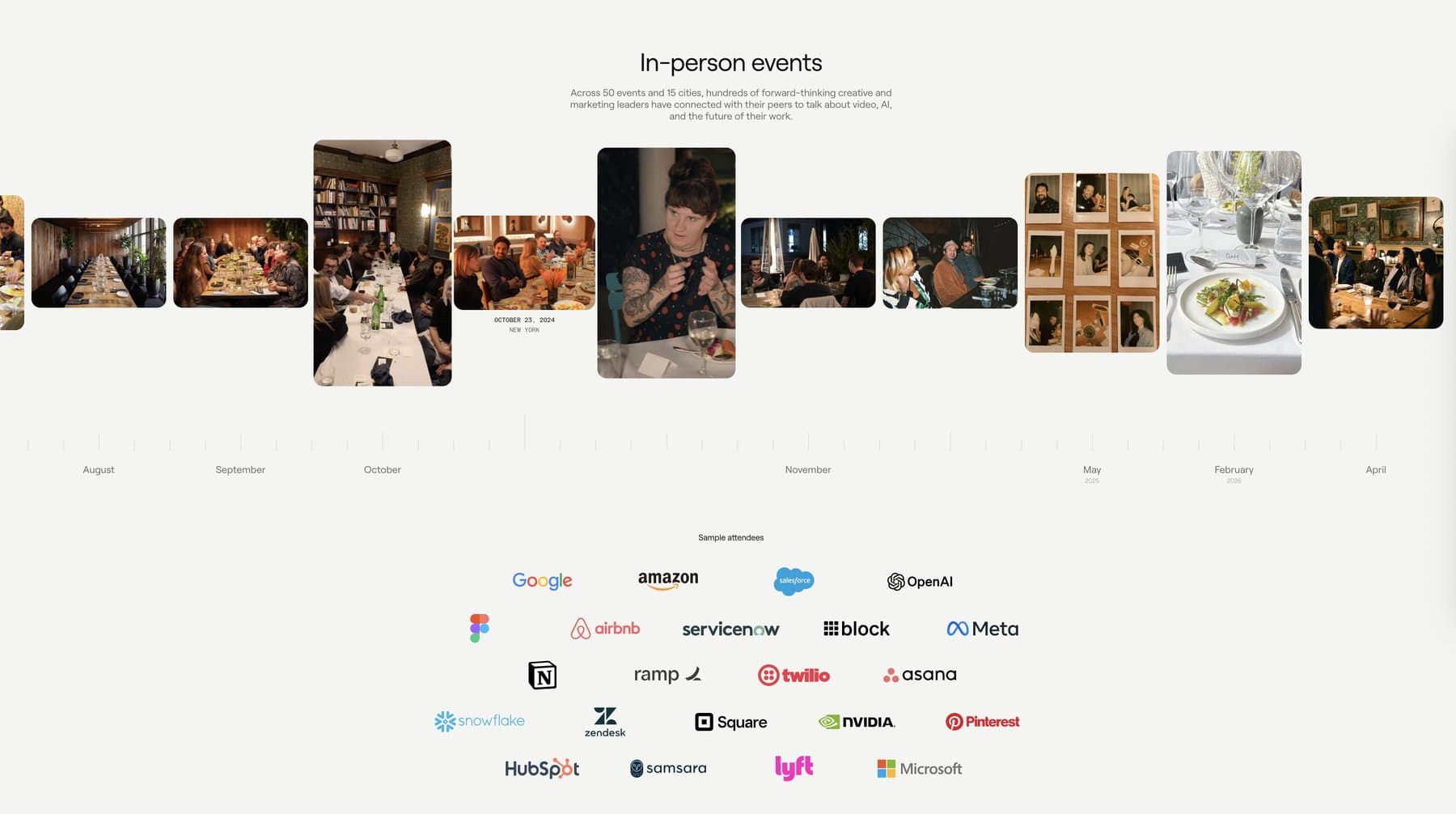
As we honed in on our ICP, I pitched the idea of inviting our key buyer personas to a private dinner. We learned more about this persona at that dinner than any amount of calls could ever surface. I scaled this program to become our most important channel for pipeline and revenue.
We generated millions in pipeline, maintained a 98% attendance rate, and I eventually hired a Head of Events & Community who has significantly grown and improved the program. This program was highlighted on multiple podcasts and even written about in a book!
Virtual summit
To build on the success of our in-person events and try and capture a wider audience, our events team launched our first-ever Virtual Summit. I led the strategy, goals, assets, and 4-week promo campaign.
We secured 9 top-tier speakers and saw a 5x increase in registration and attendance compared to the previous average of our virtual events.
Brand ambassador
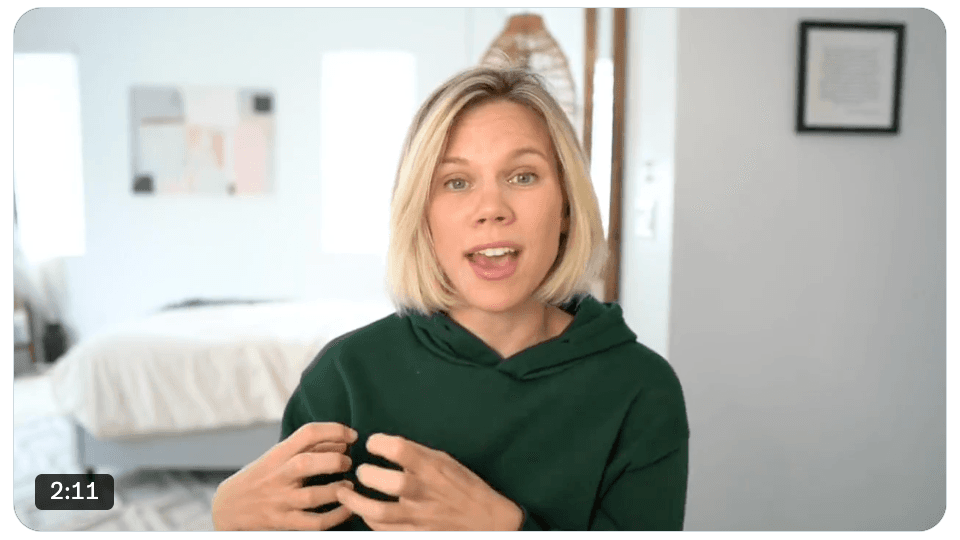
As our buyer persona continued to focus on in-house creative and marketing leaders, I became an important bridge between them and our brand. In addition to hosting many of our in-person and virtual events, I also spoke on several industry podcasts and webinars, which you can sample below.
As a result of the trust I built in the community, I personally sourced multiple opportunities and closed-won deals, both net-new and from champions who came back to buy Capsule after changing companies.
Influencer program
When I joined, nobody knew who Capsule was. To help us get on the map, I decided to try working with B2B influencers (before it was mainstream ;)). I built the program end to end: drafted a list of dream creators, personally reached out to them, pitched them on both Capsule and the campaign, wrote creative briefs, managed launch timelines and deliverables, and inadvertently built a creator community.
Across 3 campaigns and 6 months, we generated ~800k impressions, a lot of buzz on LinkedIn and Twitter, and a few creators who are still fans and users.
Dinner highlight reels
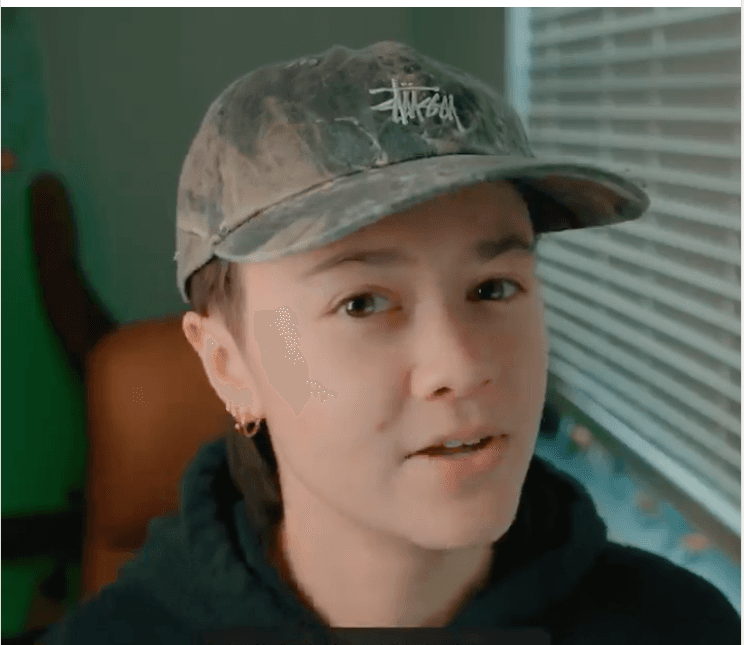
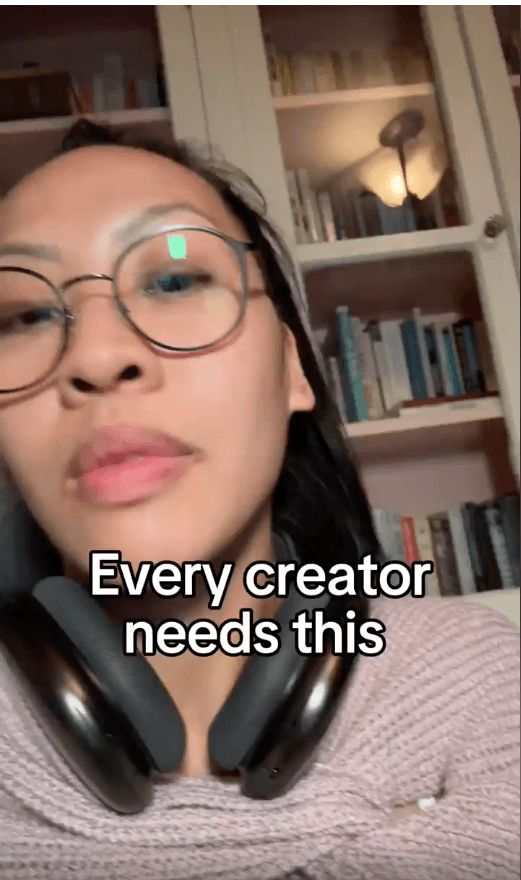
As our VIP dinner program grew, we started to attract creative leaders from some of the best-known brands. I wanted to capture this in video format, so I hired videographers and interviewed guests onsite.
These videos raised our brand profile, gave attendees a shareable asset that would reach their own networks, and increased the FOMO of our events, directly driving future registrations.
AI & Systems
I use Claude Cowork and Code daily to clarify my thinking, run analyses, and build apps that make my work faster and more fun.
Company retreats
As our remote company grew, I advocated for and planned two full-company offsites. I believe people work better when they care about the people they work with, and I believe in building the company culture I want at work: fun, connected, and purposeful.
Board reporting and hiring
By presenting to the board every quarter for 3 years, I learned to build succinct and compelling narratives that illustrated what we did, how things went, and what insights were fueling our strategy for the next quarter. I also learned a lot about hiring: how to make the case for building out the team, what questions to ask candidates, and how to spot great culture fits.
Awards
My colleagues voted for me and my co-worker Nathan to win the company's first "Capsule People's Choice" award, for best exemplifying the company's values. I also was a "shout-out" award winner, receiving the top 3 most shoutouts at the company for the year.
T3 Advisors
While this real estate company was 15 years old when I joined, it operated like a startup and I was the first marketing hire. Shortly after my 2.5 years there, the company was acquired by Savills.
Website
In my first few months, the theme I heard from both the team and customers was that T3 was a much cooler brand than our marketing reflected. Shortly after, I presented the business case for why we should invest in a website redesign. With a lean team of contractors and internal stakeholders, I led the site's messaging updates and redesign, ensuring the company's leadership team was thrilled with the final product.
The new design reflected T3's elevated brand, caused teammates to tell me they were "finally proud to send people to our site," and led to a 160% increase in conversion rates.
Case studies
Another glaring gap between marketing perception and reality was our customer proof. We had great logos on our site, but not much else. I identified the customers we should showcase and ran the case study and video production end to end to produce 6 compelling, succinct testimonials.
One of my interview subjects was Hemant Taneja, now-CEO of General Catalyst, who said he was genuinely surprised at how thoughtful and well-researched my questions were.
SALT Contemporary Dance
After college, I danced professionally with a brand-new company. The work we were doing was the highest caliber in the state. But no one knew about it. So for the next 3 years, I did everything I could to fix that and fell in love with marketing along the way, eventually retiring from dance and going all in on this profession.
- —Worked directly with CEO, directors, photographers, videographers, venue managers, sponsors, graphic designers, and more to help shape the company's message and vision
- —Promoted all performances. Wrote, designed, edited, and oversaw all print and digital marketing materials
- —Built SALT's social presence from 0-2k followers on Meta and YouTube